
Key Regulatory Developments Across EPR & Solid Waste Management – February 2026
Major Regulatory Shifts for Obligated Entities
February 2026 has marked a significant shift in India’s environmental compliance landscape, with multiple digital platforms, regulatory notifications, and structural changes introduced across Extended Producer Responsibility (EPR) streams and solid waste management.
This article summarises the major developments and their implications for obligated entities across sectors.
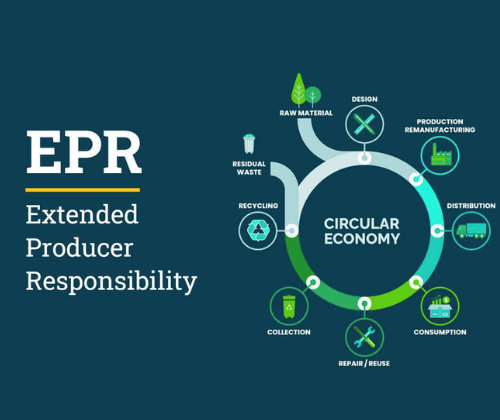
1. New Digital Infrastructure Across EPR | February 2026
February 2026 marked a major digital transformation of India’s EPR framework with the launch of the Common EPR Portal, EPR Electronic Trading Platform, EPR Audit Portal, and EPR Support Portal. These systems introduce single sign-on access, standardised audits, transparent trading, and centralised grievance redressal. Obligated entities must now ensure accurate, real-time reporting as compliance shifts toward tighter digital monitoring and reduced manual intervention.
2. EPR Electronic Trading Platform (ETP) | 1 February 2026
Effective 1 February 2026, CPCB’s EPR Electronic Trading Platform introduces centralised, market-based trading of EPR credits within notified price bands. With escrow-backed payments, mandatory participation, and the phasing out of offline transactions, credit procurement becomes more structured and transparent. Businesses should anticipate pricing volatility, advance payment norms, and the need for stronger coordination between finance, legal, and compliance teams.
3. Goa Deposit Refund Scheme (DRS) | 1 April 2026
From 1 April 2026, Goa’s Deposit Refund Scheme becomes fully operational across multiple packaging categories. Mandatory requirements include portal registration, escrow deposits, USI marking, QR-enabled packaging, and reverse collection fees. The scheme impacts packaging design, IT systems, and cash-flow planning, while non-compliance risks market access restrictions. Goa DRS signals a growing shift toward state-level packaging compliance frameworks.
4. Solid Waste Management Rules, 2026 | 1 April 2026
Effective 1 April 2026, the Solid Waste Management Rules, 2026 strengthen waste governance through mandatory four-way segregation, expanded bulk waste generator responsibility, landfill restrictions, and digital reporting via a CPCB portal. Environmental compensation mechanisms are now more enforceable. Organisations must upgrade infrastructure, revise waste contracts, and improve documentation, as compliance failures carry heightened operational and financial consequences.
5. Updates Across EPR Streams | February 2026
February 2026 brought targeted updates across EPR streams. Plastic packaging portals were refined with clearer credit offset guidance. E-waste compliance faced renewed scrutiny through state-level notices and compensation hearings. Used oil return timelines were extended, battery waste introduced the Battery Pack Aadhaar system, and ELV portals became operational. Collectively, these changes increase traceability, oversight, and enforcement across sectors.
6. Upcoming EPR Streams | From 1 April 2026
From 1 April 2026, EPR obligations are expected to extend to Non-Ferrous Metal Scrap and Construction & Demolition Waste. This expansion significantly broadens producer responsibility and compliance exposure. The regulatory direction emphasises digital governance, market-linked compliance economics, and stricter enforcement. Organisations adopting proactive, cross-functional compliance planning will be better positioned to manage financial risk and ensure regulatory continuity.